
How Breathing Hydrogen Enhances a Medical Spa Center
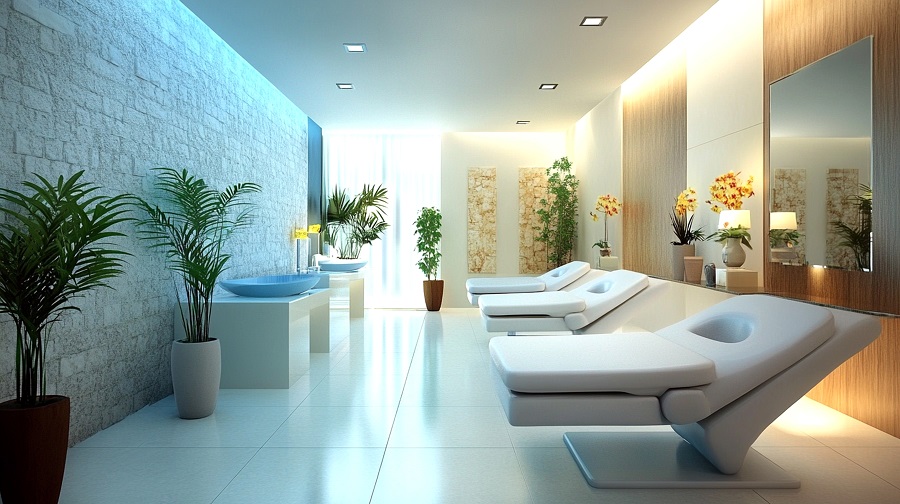
When you add hydrogen inhalation therapy to your med spa, you’re not just offering another gadget. You’re upgrading clients' experience during and after every visit. Breathing low-dose medical-grade hydrogen can fit seamlessly into services, support recovery, and elevate the clarity and calm your clients notice. The key is understanding how it works in the body, how to use it safely, and how to integrate it so it actually grows your practice…
What Hydrogen Inhalation Therapy Is: and Why Med Spas Use It
Hydrogen inhalation therapy involves breathing low concentrations of medical-grade hydrogen gas through a nasal cannula or mask, typically for 20 to 60 minutes per session.
In med spa environments, it is positioned as a noninvasive wellness service that can complement recovery, relaxation, and performance-focused programs.
Compared with hydrogen-infused water or capsules, inhalation allows hydrogen gas to enter through the lungs and circulate more directly in the bloodstream.
As demand for integrative wellness grows in local markets, med spas often look for treatments that feel modern yet easy to incorporate into existing service menus.
When introduced thoughtfully, it can fit naturally alongside services such as red light therapy or PEMF, without requiring major workflow or space adjustments.
From an operational standpoint, facilities typically prioritise compact, low-noise systems with built-in safety features such as controlled concentration limits and leak detection.
These safeguards help staff integrate hydrogen sessions smoothly while maintaining client comfort and regulatory awareness.
Although interest in hydrogen inhalation therapy continues to expand, it is generally viewed as an adjunctive wellness modality rather than a primary medical treatment.
Evidence for specific outcomes varies, so providers and users should rely on up-to-date research, manufacturer guidance, and applicable local regulations when determining appropriate use.
Pairing Hydrogen Inhalation Sessions With IVs, Neurofeedback, Theta Chambers, and More
Although hydrogen inhalation may have benefits on its own, it's also being explored as an adjunct to other spa and clinical therapies.
For example, 30–60-minute sessions at 1–3% inhaled hydrogen are sometimes used alongside IV nutrient or NAD+ infusions to provide additional antioxidant support, potentially helping moderate oxidative stress associated with infusions and support cellular recovery.
Similarly, 30–45-minute hydrogen sessions may be paired with neurofeedback or cognitive training, based on preliminary evidence that molecular hydrogen can cross the blood–brain barrier and may help reduce oxidative stress in neural tissue, which could be relevant to neuroplastic processes.
Hydrogen inhalation is also combined with modalities such as red light therapy, pulsed electromagnetic field (PEMF) therapy, or a theta chamber.
In practice, some protocols initially use 2–4 hydrogen sessions per week, followed by 1–2 sessions per week for maintenance.
These approaches should be implemented under clinical supervision, with appropriate device monitoring and adherence to established safety guidelines, since evidence for optimal dosing, combinations, and long‑term outcomes is still emerging.
How Hydrogen Inhalation Therapy Works in the Body
Understanding how inhaled hydrogen moves through the body helps explain its proposed role in wellness settings. During a typical session, a low concentration of molecular hydrogen gas, usually about 1–3% mixed with air, is administered via a nasal cannula or mask. After inhalation, hydrogen reaches the lungs and diffuses across the alveolar membrane into the bloodstream, then distributes throughout the body, including passage across the blood–brain barrier.
At the cellular level, experimental studies suggest that molecular hydrogen can act as a selective antioxidant, preferentially reacting with highly reactive species such as hydroxyl radicals and peroxynitrite while having less impact on other reactive oxygen species involved in normal cell signaling. Research also indicates that hydrogen may modulate cellular pathways, including Nrf2-mediated antioxidant responses, inflammatory signaling, and mitochondrial function, which could influence ATP (energy) production. However, much of this evidence comes from preclinical or small-scale human studies, and more robust clinical research is needed to fully clarify its effectiveness and appropriate applications.
Core Benefits of Hydrogen Inhalation Therapy for Spa Clients
Hydrogen inhalation therapy is an emerging modality in wellness and spa settings and has been investigated primarily for its antioxidant and anti‑inflammatory properties. In this approach, molecular hydrogen (H₂) is inhaled and absorbed through the lungs into the bloodstream, allowing it to reach various tissues, including the brain. Experimental and early clinical studies suggest that H₂ can selectively neutralize highly reactive hydroxyl radicals while leaving other reactive oxygen species involved in normal cellular signaling largely unaffected. This selectivity may help reduce certain forms of oxidative stress without broadly suppressing physiological redox processes.
Preliminary research indicates that hydrogen therapy may support mitochondrial function and cellular energy metabolism, potentially reducing fatigue and improving recovery after physical exertion or intensive treatments. Some users subjectively report reduced muscle soreness, clearer thinking, improved mood, and enhanced relaxation during or after sessions. However, these experiences aren't universal and are influenced by individual differences and the specific treatment context.
Is Hydrogen Inhalation Therapy Safe for Your Clients?
As you consider adding hydrogen inhalation to your menu of services, an important question is how safely it can be used to support your clients.
Clinical literature indicates that low-concentration hydrogen (about 1–3%) is generally non-toxic, non-flammable when properly delivered, and rapidly exhaled.
Sessions typically last 20–60 minutes.
Reported side effects in studies and case reports are uncommon and usually mild, such as brief dizziness or fatigue, particularly in first-time users.
Risk reduction depends on consistent safety practices.
These include using certified, well-maintained equipment. maintaining appropriate flow rates and concentrations. and relying on manufacturer settings and auto-stop features.
It's also important to obtain informed consent that explains potential benefits, limitations, and risks. screen clients for respiratory issues or complex medical conditions. and ensure staff are trained to monitor clients, document sessions, and follow clear procedures for managing any adverse events.
Creating a Relaxing Hydrogen Inhalation Session Experience
Designing a hydrogen inhalation session with an emphasis on comfort and calm can support client relaxation and adherence to the protocol.
A typical setup involves a quiet, clean room with adequate ventilation, a reclining chair, soft linens, and dim lighting to reduce sensory stimulation. After seating the client, a nasal cannula is fitted securely to ensure consistent delivery of the gas mixture.
Session duration typically begins at 20–30 minutes and may be gradually extended to 30–60 minutes, depending on client tolerance and practitioner assessment. Flow rates are often adjusted to about 300 ml/min, taking into account the individual’s comfort and the device's specifications.
Hydrogen concentrations are generally maintained within the medically referenced range of about 1–3% in air, below the lower explosive limit and commonly cited in clinical and safety guidelines.
Devices used for hydrogen inhalation typically incorporate low-noise operation, automatic shut-off features, and monitoring systems to help maintain consistent delivery and reduce the risk of misuse.
Additional elements, such as soft background music, simple guided breathing instructions, LED light therapy, pulsed electromagnetic field (PEMF) devices, or mild aromatherapy, are sometimes used to promote relaxation. These adjuncts are primarily intended to improve subjective comfort and perceived clarity after the session, and their use should be tailored to client preferences and relevant safety considerations (e.g., fragrance sensitivities, contraindications to light or PEMF exposure).
Choosing a Hydrogen Inhalation Machine for Your Med Spa
Choosing a hydrogen inhalation machine for a med spa involves weighing therapeutic capability, safety standards, and day‑to‑day usability. Look for medical‑grade hydrogen production within the commonly used 1–3% concentration range, with verified gas purity and stable output throughout the full session.
The generator should offer a suitable flow rate for most clients, typically up to about 300 ml/min, with adjustable continuous and pulse modes to accommodate 30–60 minute treatments.
Safety and compliance are central. Prioritize devices with recognized certifications such as CE or UL, integrated auto‑stop and overload protection, and real‑time system monitoring (for example, pressure, temperature, and operating status).
Low operating noise and a clear, intuitive interface, often via touchscreen, can support a more controlled and comfortable treatment environment.
From an operational standpoint, consider a compact footprint, straightforward access to filters and cannulas for replacement, and clearly defined cleaning and maintenance procedures.
A warranty of around 2–3 years, combined with responsive technical support and access to replacement parts, reduces downtime. Finally, review any available clinical data, device documentation, and staff training resources to help ensure consistent protocols and safer, more reproducible outcomes for clients.
Conclusion
When you add hydrogen inhalation therapy to your medical spa, you give clients a gentle way to recharge, recover, and clear their minds. You’re not replacing existing treatments, you’re amplifying them. With the right device, thoughtful protocols, and a calming environment, you turn a simple 20–60 minute session into a signature wellness ritual. Start integrating hydrogen now, and you’ll differentiate your spa while supporting deeper, more sustainable results for your clients, both physically, mentally, and energetically.